
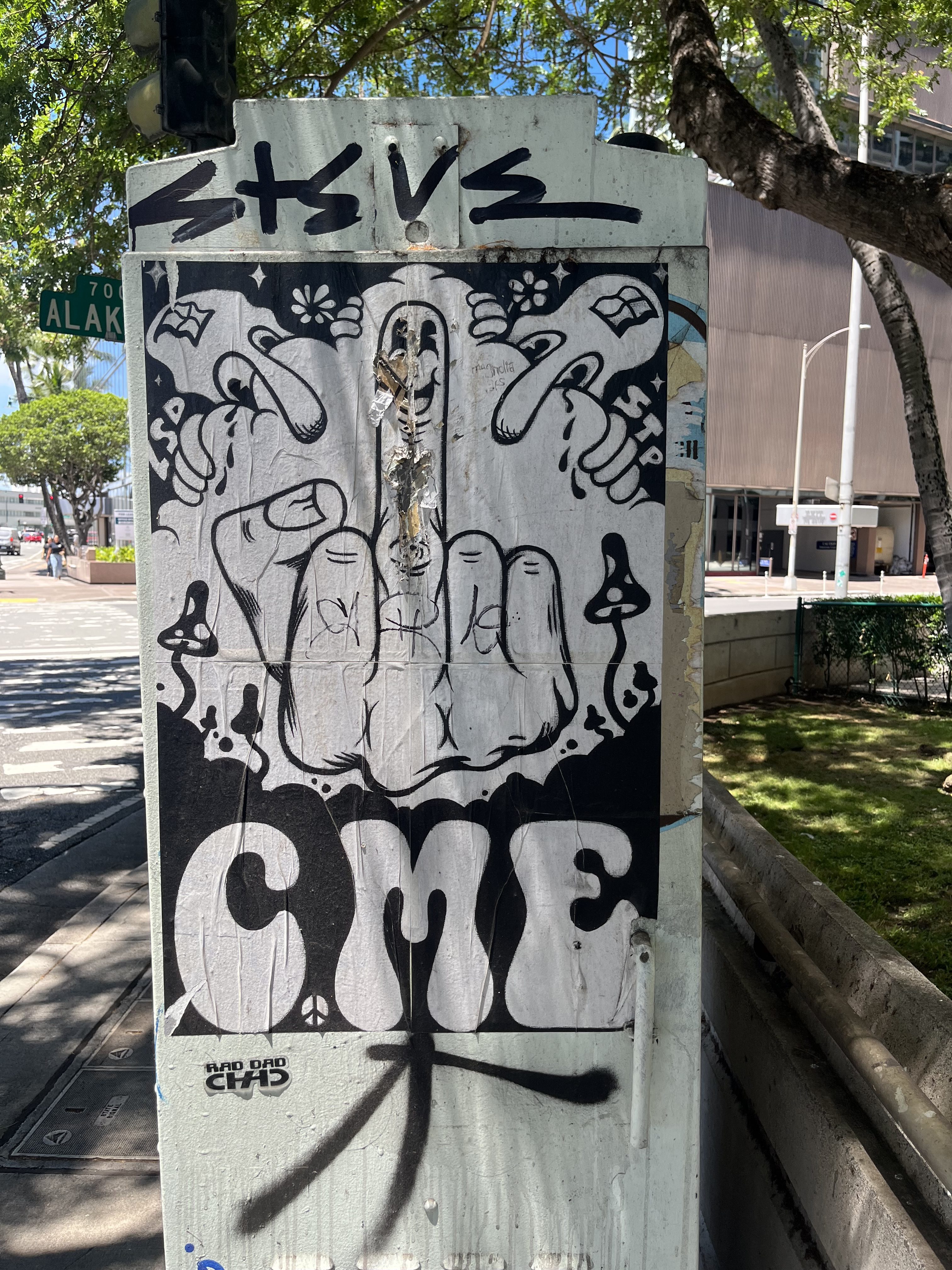
This image kinda shocks me, but it also makes me laugh. Am I hiding around the finger-of-fate-in-fear, or just the clear point of the finger-of-fuck-you? Leave me alone. Question mark with exclamatory defiance. This is how I try to reconcile the beating around the bush of looking at myself (personal inventory of the Fourth Step) with all my devils in the details (you’re an asshole)–under a clear night full of stars with the promise to follow a new path full of wonder and choices beyond the mundane nuisances, annoyances, irritations, and that was my damn parking spot; I was here first!
One common share among alcoholics at AA meetings is the feeling of isolation. The feelings of loneliness where we describe our lives as becoming smaller and smaller–until we are all alone. Even before we realize we had a serious problem with drinking, a common theme expressed, is feeling that we don’t quite belong–that we’re different. These feelings go back in our family of origin and the way we felt most of our life. Addicts and alcoholics also share a family of independent members–free to do as they wish, without much guidance or direction–with lots of unsupervised free time without any accountability.
My biggest blind spot was realizing I wasn’t showing up on time, if at all. It took me many years in program before I realized the biggest affect I was having on others of whom loved me, was my unavailability. I was too consumed by chasing that ‘just right’ feeling produced by alcohol and stimulants, with all other priorities rescinded. This is the definition of chemical dependency.
I can’t help but think of Sigourney Weaver as Ripley in the Alien movie series. The corporation would not stop at getting the alien for its weapons division, and all other priorities, i.e. human life it could come in contact with, like the crew of the Nostromo, were expendable. “We’re still coalating,” said Ash, the humanoid robot computer. Ripley’s disbelief, “You’re still coalating?” is not unlike the mom’s and aunties that have a full blown addict or alcoholic living with them in the home. Or what’s left of it.
Enter Step Five. The step where we confess to another human being, usually our sponsor, about the nature of our disease, and the blame game we have conveniently constructed around our drug and alcohol use: and what person, place, or thing on our grudge list.
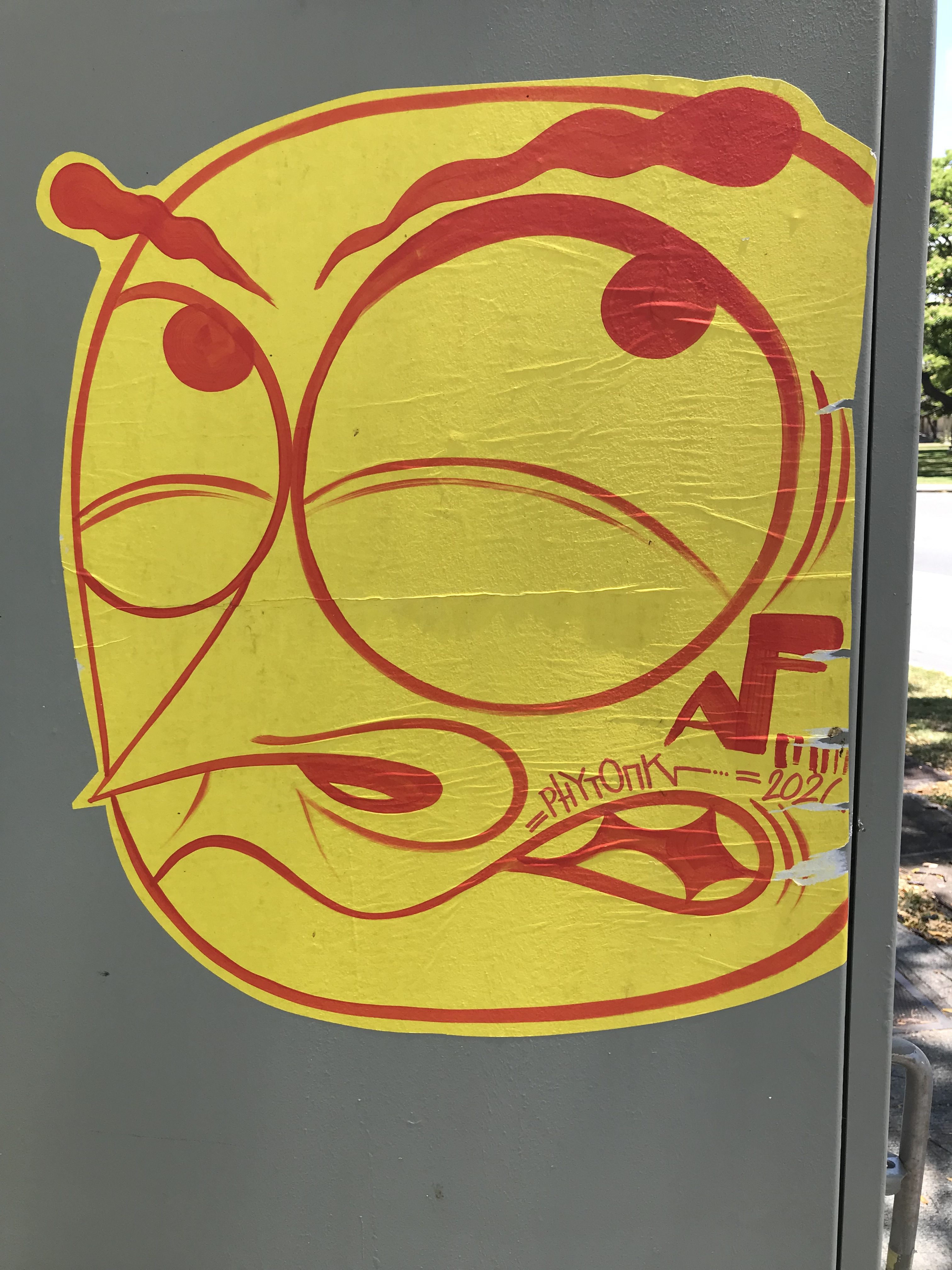
Page 65 of the Big Book of Alcoholics Anonymous has the format. We open face a regular sized spiral notebook and split the left page and right page with a vertical line such that there are now four columns across the two open faced pages. The spiral in the middle acts as the divider between column two and three. The entire list of who or what we’re resentful at is the heading of column one. Column two is, ‘The Cause:’ . Column three is headed; ‘Affects my:’ And the fourth column is ‘My Part’ or ‘What Could I have done differently?’ This becomes very useful in Step Nine.
This entire inventory, the list, is actually a petition to God, and can be headed with, ‘Dear God,’ at the upper left hand side of the left page. The center of the title page area of each page could be listed as ‘My Inventory.’ Preceding the first page on the single sheet facing the cover of the notebook shall ye inscribe the Third Step Prayer as found on page 63 of the Big Book. If talking like a Quaker sounds too old fashioned, you can update the prayer like my church did in the seventies and substitute ‘you’ and ‘your’ for Thee and Thy. For example, say this prayer with your sponsor at least three times going slower each time and being aware of your breath and what you are saying. In short, be present:
“God, I offer myself to you–to build me as you will. Relieve me of the Bondage of Self that I may better do your will. Take away my difficulties, that victory over them may bear witness to those I would help of Your Power, Your Love, and Your Way of life. May I do Your will always!” This act is huge–and is usually forgotten or neglected upon sharing and reading the grudge list to another human being. We can’t get over our drinking or using without this. Period.
I know this works, and you will too, by the feelings that may come up for the next few days after sharing your story with another human being. Taxi Drivers, Janitors, Baby Sitters, Barbers; the job title isn’t that important, maybe even a pet that listens to your every word, though it is important to sit with this from an A A’er who has done this before, because; surprise, surprise, you aren’t a unique little snowflake. There’s been a lot of black paint spilled into that bucket of white paint!
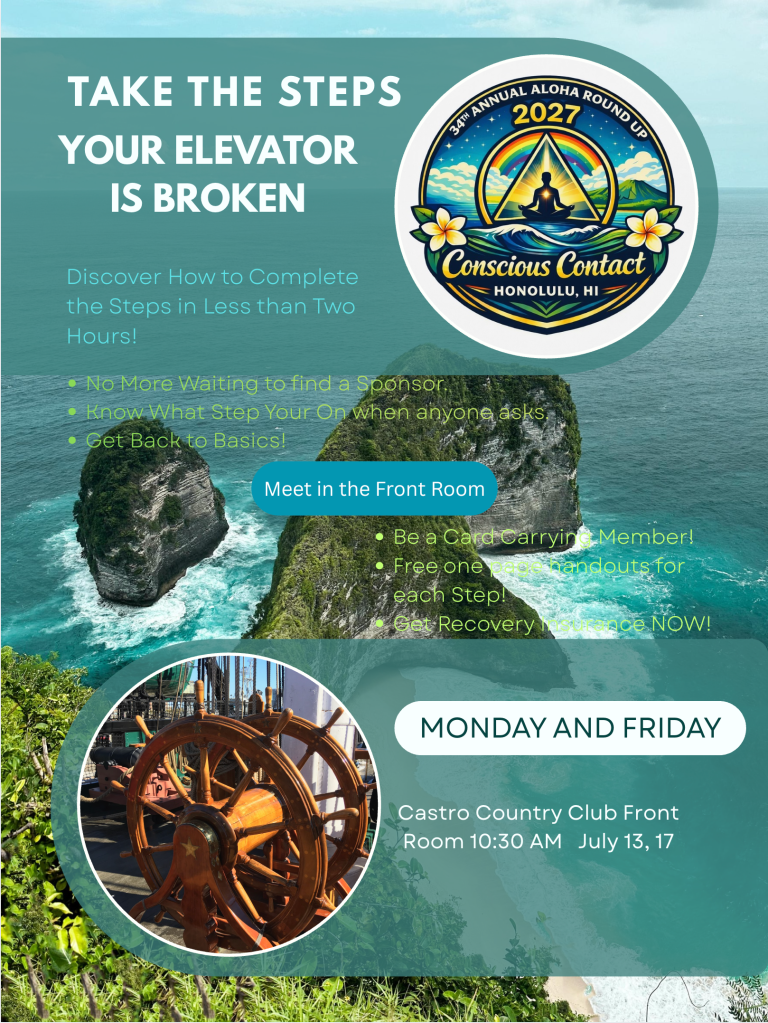
And remember, A.L.O.H.A. which means a lot of happy Alcoholics!
This post is in a series of twelve–based on the Twelve Steps of Alcoholics Anonymous. Though these missives may seem oblique to my rail transit blog on this ‘channel,’ I was actually able to use these principles to keep a job as a bus driver for twenty-one years! I kept my same address for twenty-nine years! That wasn’t happening before I took more than a peek at the twelve steps. Stay tuned for Step Six and the following steps as I progress through them for the rest of this month, September, and into the holiday season. ‘Cause oh boy, that’s when the party really starts!’

