
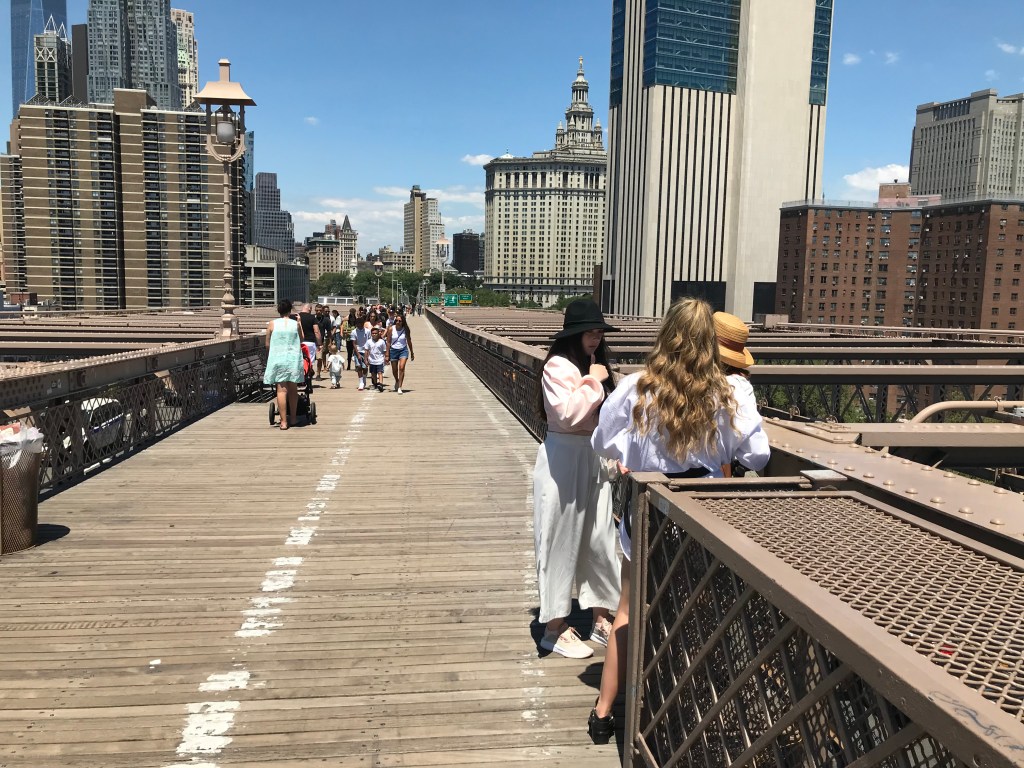
We’ve seen planned communities built such as the one in Columbia, MD–heralded in the seventies as a “garden to grow people.” James Rouse bought up undeveloped farm land between Baltimore and Washington, DC, and sixty years later, urban planners still use aspects of this template in their current design plans.
We also see strip malls being replaced with faux downtown style shops centered on pedestrian islands separated from a parking lot broken up into smaller zones, rather than the huge lots of yore, but I’m hoping those who respond to this blog approach this topic along the lines of including what has worked in cities throughout history–instead of using new tracts of undeveloped land contained as a separate “city-state.”
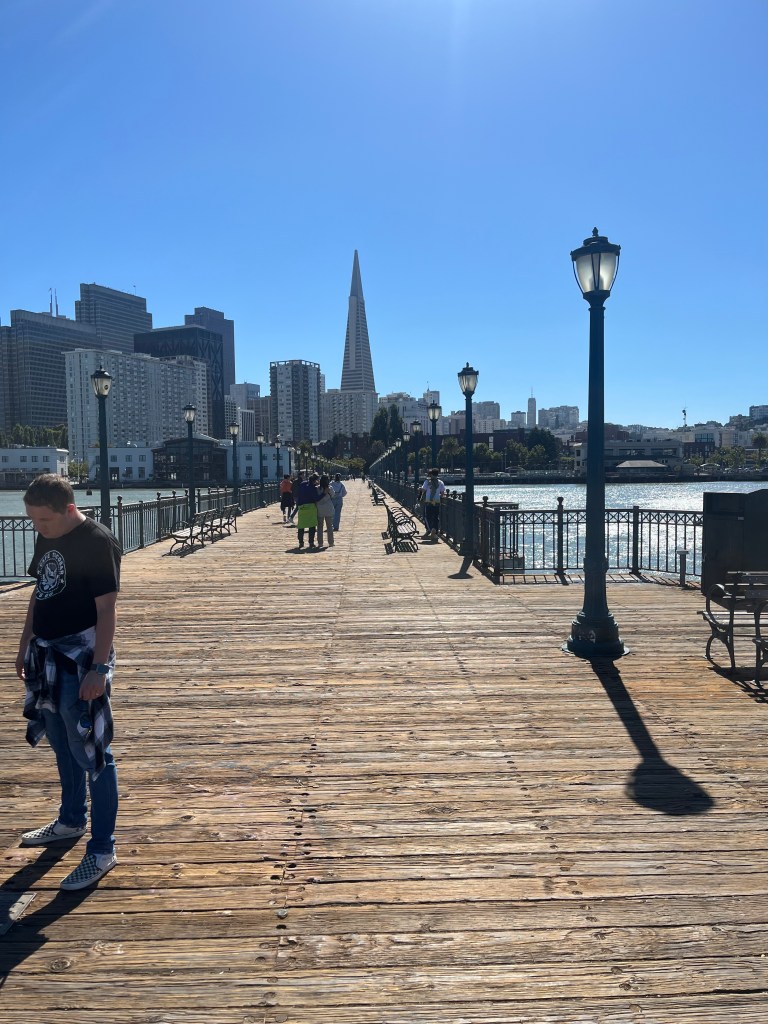
Not Just Bikes on YouTube is a great channel to see how bikes are used in Europe, especially in Holland–and how children and seniors alike ride to school or do shopping–because it’s safe. Road Guy Rob is another fantastic YouTuber who shows how dangerous ‘Stroads” have become, as he walks along a main Utah State Hwy. in Orem, UT, ouside of Salt Lake City–which as become a wide multi-lane suburban boulevard with traffic lights making it scary to be a pedestrian trying to cross on the complex left-turn cycles of a road that is trying to be like a street. Traffic volumes not unlike a thruway marginalizing bike riders and pedestrians. Certainly we all know these types of stroads in suburbanized counties bordering a larger metro area.
The area connecting Denver to Boulder, CO; Denton to Dallas, TX; San Jose to San Francisco, CA; and Lynwood to Olympia, WA–all have roads that have become stroads. The State Route 18 outside of Seattle metro going from Maple Valley up to Fall City, crossing I-90, is a perfect example of an area that needs the deepest thought about this topic in regards to the city of the future: how we improve this State route now, can make or break a future for this expanding populated area.
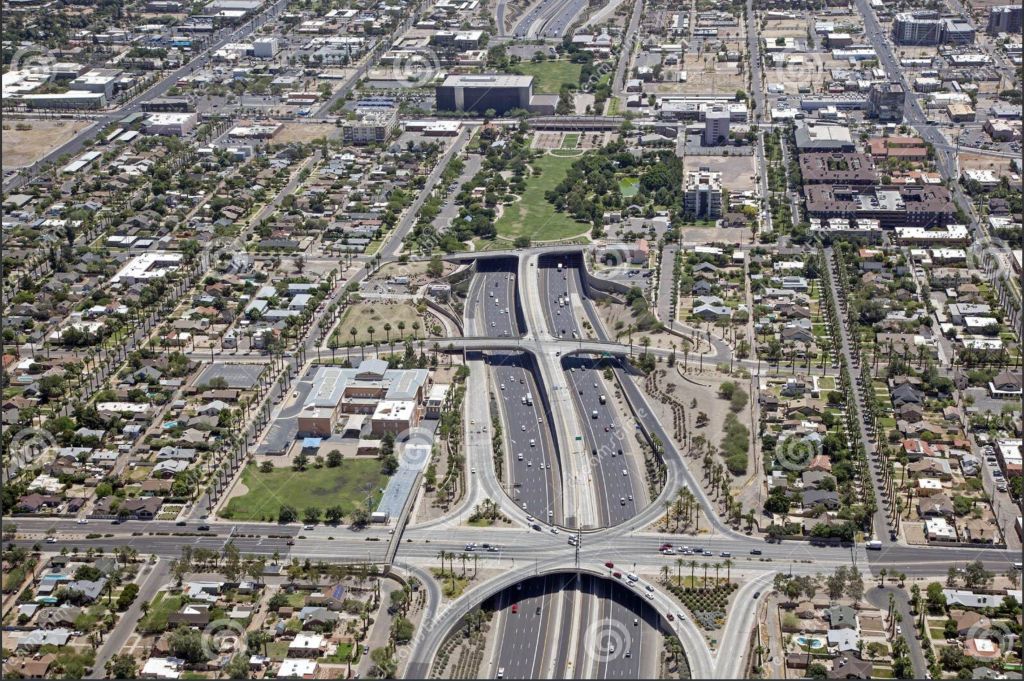
Fortunately, we have the history of Phoenix, which missed out of federal interstate monies in the fifties and sixties because no one living there wanted to become another LA. But the city governance did really cool things, especially when it came to a project bordering along Native American tribal land against an encroaching suburban tract.
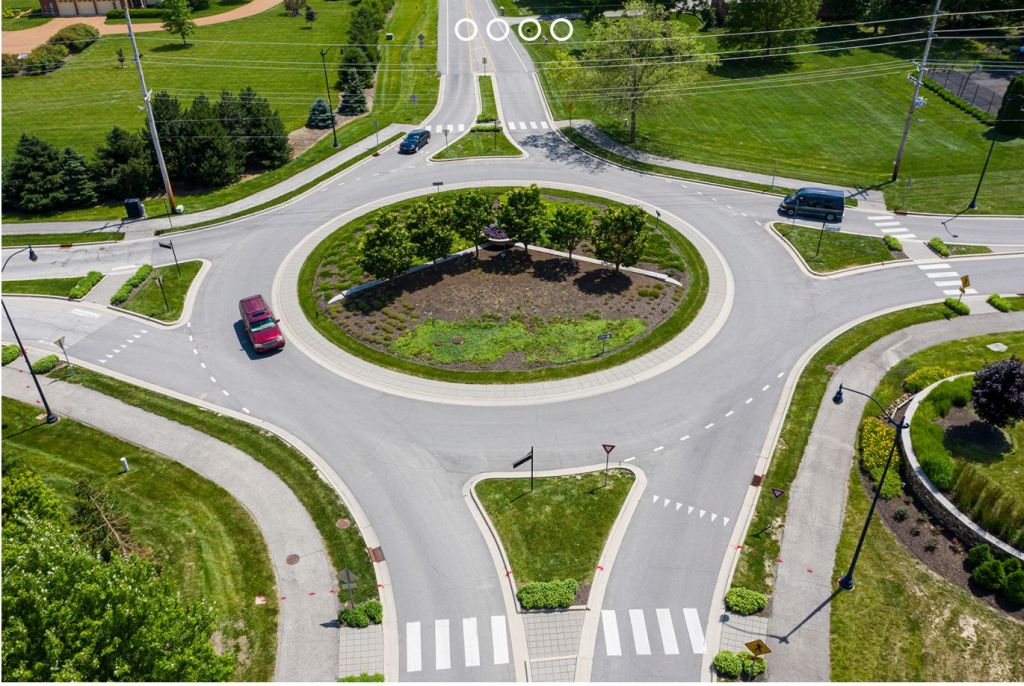
Carmel, IN north of Indy, has also found the secret of safety in traffic circles instead of stoplights, and also did a helpful job (or jog) of it’s arterial by conveniently moving the road of off county property. In all these cases of highway improvement in Carmel, IN and Phoenix, AZ, the results are very eye-pleasing and with less conflict than in traditional stroads.
I guess what I’m trying to convey, at least for the US–is to take care when we try to widen or improve a large arterial, and make it safe to use an alternative to the car. Above all:
Like this? Find out more:

 The Dao of Doug: A Bus Driver's Perspective
very nice country
LikeLike