


Impact of Technology on My Job as a Bus Driver
1. Navigation and Route Management

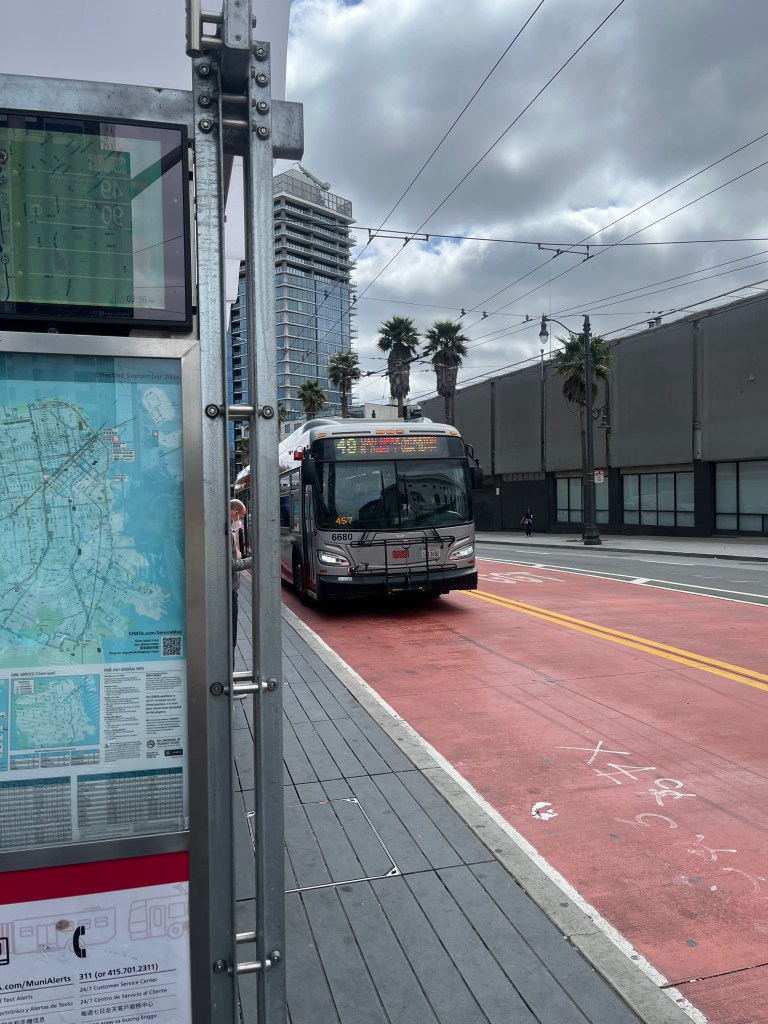
- GPS Systems: One of the most significant changes has been the introduction of GPS technology. Intending passengers can see the headway between buses at the bus stop shelters, how crowded they are, and how many minutes away the buses are until arrival. It’s possible now to stay inside away from the cold and rain until the last few minutes until the bus arrives so you don’t have to guess when to head out.
- Route Optimization Software: Many transit systems use software that analyzes traffic patterns and rider demand, allowing for smarter scheduling and route adjustments. This helps Uber drivers immensely with their app. They also have an interactive capability to update maps for errors and better placement to wait for intending riders, and better corners or curbs to let someone off safely. As a bus driver, the conflicts between ride share cars, have been reduced dramatically, especially close to bus stops.
- Instead of relying solely on paper maps or memory, Uber drivers can now access real-time navigation systems that provide the most efficient routes, helping to avoid traffic jams and road closures. This passively ensures that buses are running on time and serving the community effectively. Waze also has great capabilities for anyone using the app while driving in their privately owned vehicle. Below, Muni installed a much better radio system tied into the paddles of each driver: a paddle is the route and time-check cross-points to give operators continual updates as to headway and whether they are running ahead or behind of schedule.
2. Communication Tools
- Instant Communication: Modern communication devices, like two-way radios or mobile apps, allow me to stay in constant contact with dispatchers and fellow drivers. This facilitates quick updates on delays, emergencies, or changes in routing, ensuring passenger safety and service reliability. We also can text in or select the pre-built reasons on our DVAS Digital Voice Activation System to let Central Control what’s going on and making us late.
- Emergency Response: If any issues arise, such as accidents or medical emergencies, technology enables faster response times. Dispatch can quickly send help or reroute other buses.
3. Ticketing and Fare Collection
- Contactless Payment Systems: The shift to mobile and contactless payment options has streamlined the boarding process. Passengers can pay using their smartphones or contactless cards, reducing cash handling and speeding up the time it takes to board. Everyone now knows how to tag-in and the days of coins and bills are numbered.
- Automated Fare Machines: Many buses are now equipped with fare collection systems that automatically calculate fares based on distance or zones, making the process simpler for both drivers and passengers. Muni has seamlessly integrated the Clipper card system which can be used on all the eight-county transit systems in the bay area.
4. Safety Features
- Advanced Driver Assistance Systems (ADAS): Many newer buses, such as tourbus motorcoaches, come with safety technology like collision avoidance systems, lane departure warnings, and automatic braking. These features help enhance safety for both the driver and passengers. Our new trolleybuses have a regenerative braking system which can recharge the coaches’ batteries so we can run on non-overhead power for longer.
- Cameras and Surveillance: In-bus cameras provide security and help monitor passenger behavior, contributing to a safer environment. Having an event marker on a camera has helped me numerous times by showing that a call-in complaint against me is baseless and groundless as the point of conflict is generated by unsafe actions from them, and not me.
5. Maintenance and Diagnostics
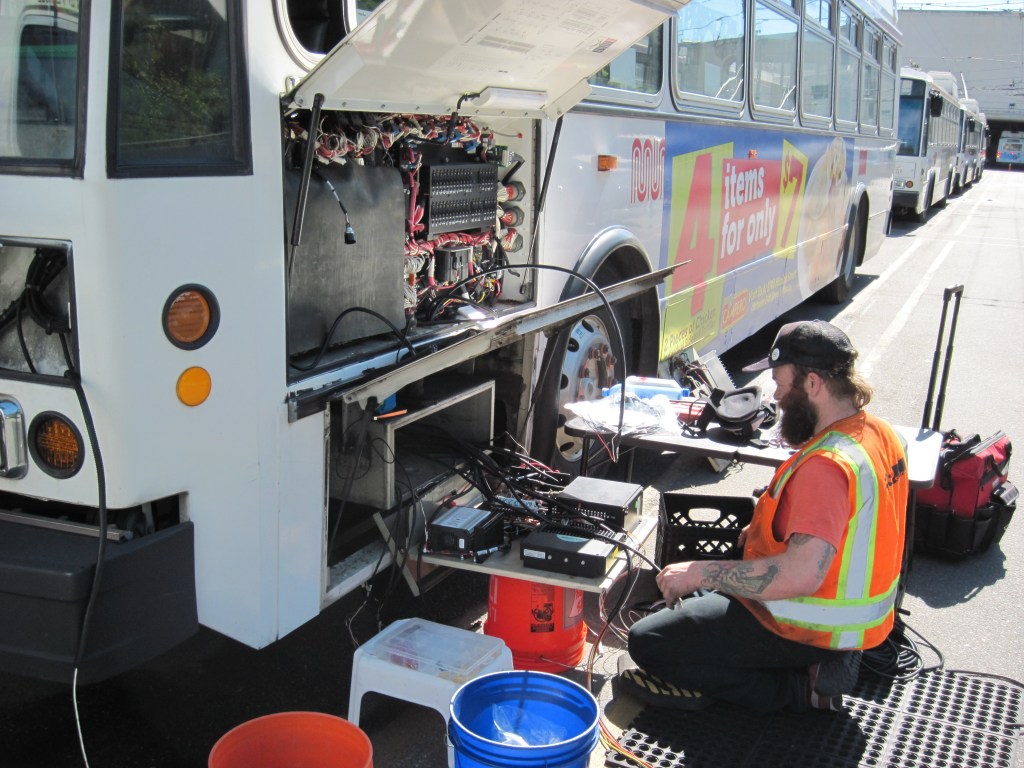
- Telematics: Technology allows for real-time monitoring of bus performance and diagnostics. This means that any potential mechanical issues can be detected early, allowing for timely maintenance and reducing the chances of breakdowns on the road. This type of system is employed more regularly with freight haulers and systems such as Amazon and retailer Costco.
- Predictive Maintenance: With data analytics, maintenance can be scheduled based on actual vehicle performance rather than just mileage, which can lead to more efficient use of resources. This is huge.
Conclusion
Overall, technology has significantly transformed my role as a bus driver by improving navigation, communication, fare collection, safety, and maintenance. These advancements not only make my job easier but also enhance the overall experience for passengers, promoting a more efficient and reliable public transportation system.
This structured response covers various aspects of how technology has changed the bus driver’s job, providing clear examples and maintaining relevance throughout. Added bus lanes, called Bus Rapid Transit lanes, such as on Market Street and Van Ness is a godsend for weekend traffic delays.
Do you love vintage buses? Are you a nostalgic person with an passionate feel for a time before tech? I got you:

 The Dao of Doug: A Bus Driver's Perspective