


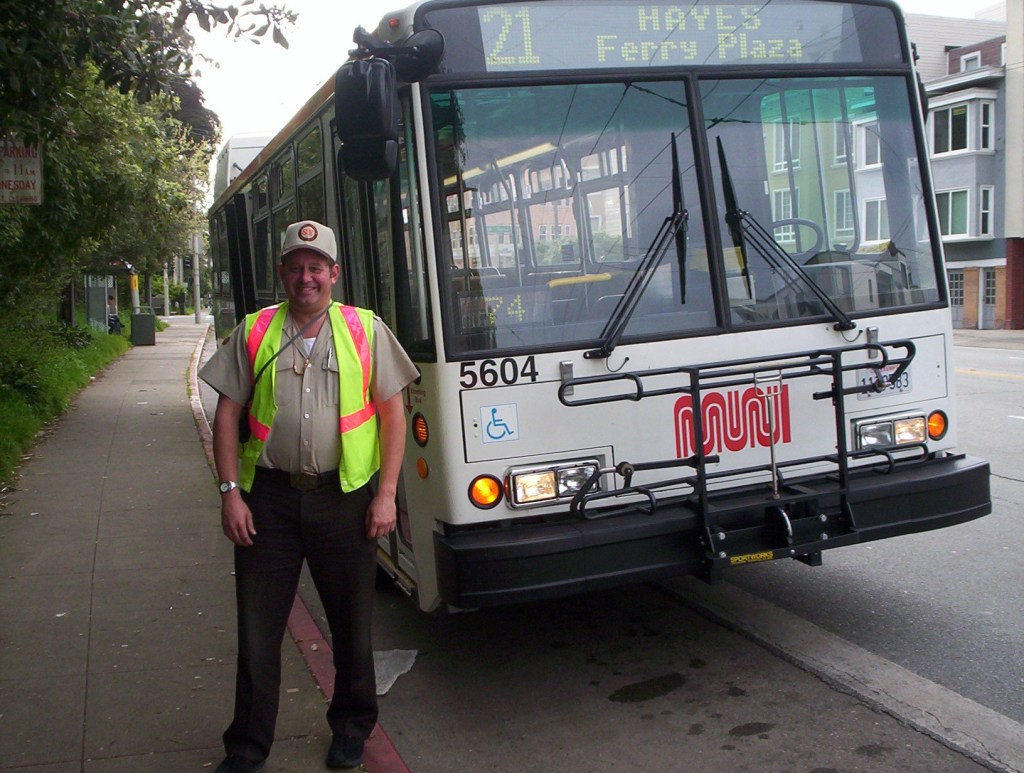
In the journey of life, failure often acts as a catalyst for growth and success. This theme resonates deeply within my experiences as a bus driver in San Francisco, a role that has not only shaped my professional identity but also provided profound insights into the interconnectedness of service, community, and personal development.
Embracing Service as a Foundation
When I embarked on the path of becoming a bus driver, my primary motivation was rooted in a commitment to service. This intention aligns with the idea that “we are all here to do what we are all here to do,” as articulated by the Oracle in The Matrix. My goal was to share my knowledge and experiences, helping both fellow operators and the public better understand the complexities of public transportation. However, my initial attempts were fraught with challenges. Misunderstandings arose, and complaints about service were common. Instead of feeling defeated, I realized these failures presented opportunities to deepen my understanding of the job and improve my communication with passengers.
The Learning Curve of Interpersonal Dynamics
Driving a bus is not just about operating a vehicle; it involves navigating a multitude of interpersonal dynamics. Every interaction with a passenger is an opportunity to either build rapport or encounter friction. Early in my career, I often found myself responding defensively to complaints, feeling as though my integrity and professionalism were under attack. However, these moments of conflict forced me to reflect on my tone and approach. It became clear that misunderstandings often stemmed from preconceived notions rather than the actual service being provided. Here, I learned the invaluable lesson of maintaining composure and empathy, turning failures in communication into lessons that enhanced my effectiveness as a driver.

The Power of Perspective
My book aims to provide future bus operators with a higher vantage point from which to view their roles. It addresses the common pitfalls that can lead to service complaints and emphasizes the importance of understanding both the operator’s and the passenger’s perspectives. By sharing my experiences, I hope to foster a sense of interconnectedness, encouraging conversations around what works and what doesn’t in our daily interactions. This shift in perspective has been instrumental in transforming failure into a platform for success, as it allows for the creation of solutions rather than dwelling on problems.
Finding Joy in the Journey
As I navigated the challenges of my role, I began to find joy in the small moments of connection with passengers. Whether it was a shared laugh or a moment of understanding, these instances reminded me that I was in the right place at the right time. This realization helped me to embrace my failures as stepping stones rather than setbacks. It reinforced the notion that success is not merely about achieving an end goal but is also about the journey and the relationships built along the way.
Conclusion
The narrative of my experiences as a bus driver in San Francisco illustrates how failure can set the stage for later success. Each challenge faced has contributed to my growth, shaping not only my professional skills but also my personal philosophy. By embracing failures as learning opportunities, I have been able to cultivate a deeper understanding of service, improve communication, and find joy in the everyday interactions that define my role. In sharing these insights through my writing, I hope to inspire others to view their own failures as integral components of their success stories, paving the way for a more compassionate and understanding society.
Let us support one another in our journeys, recognizing that failure is a natural and essential part of the process. Together, we can transform challenges into pathways for success and create a more compassionate and understanding environment for everyone.
Thank you for being part of this journey with me:

 The Dao of Doug: A Bus Driver's Perspective