
“You’re supposed to lower the kneeler for seniors,” or “Thanks for lowering the steps,” sarcastically spoken after departing to the sidewalk does not help much. A request for the kneeler with a condescending tone (as if I’m a mind reader) after ascending or descending, may not reflect where my attention is focused at the time. The rule is to request the kneeler before alighting or stepping up. We are not in the know about the status of your hip joint, your back, your neck, your legs, and so on, if we have not seen you before.
We try to gauge need based on observing your gait. In coming from behind the shelter or from the seat after we have opened the doors, we may not be able to see your approach. Yes, there are those for whom a kneeler would be obvious, but asking for a kneeler after using the steps seems ass backwards. Putting a foot on the first step and not moving can work sometimes, especially if accompanied by a glare of disdain. The sense of entitlement I pick up on, however, does tend to make me pause sometimes in lowering the stairs. The quickest verbal command to get the steps to descend is a “thank you.” Veteran riding seniors know to say thank you as they reach the stairway, and just like magic, the steps go down. Condescension not required for lowering or ascension—just ask any angel.
Another secret for getting what you need from the bus driver is to come to the front door if your stop got passed up. The button by the back doors sometimes does not register on our dash board and does not work as regularly as the chime cord by the windows. Being able to hear the bell is also a plus. Even if your volume is low, taking off one bud lets the driver know you can hear him/her talking. This courtesy has been lost on most folks.
Screaming or yelling may work, but a quick move to the front at the first safe place past the zone is better; if safe, we will lower the steps so you can get out not far from the previous bus stop. We are allowed to do this per safety rule but not out the back door. Late rings with a demand from the back steps do not usually result in an open door; coming to the front, however, does. We can see if a cyclist or skater is approaching, and we have better control over the doors. The pause or delay in stepping down the back stairs creates extra seconds of time that could mean a collision upon stepping down versus a safely-lowered kneeler up by the next crosswalk at the front door. We can also move the bus nose closer to the curb than at the back.
Another trick I make sure my student in line training understands is to use the front door/rear door toggle in front of the door dial. By delaying the front door from opening and opening only the rear first, migration of souls sets in, and the slow exiting senior has a chance to make it to the front steps before those on the sidewalk bulldoze up the steps. This also saves on the call to “move back!”
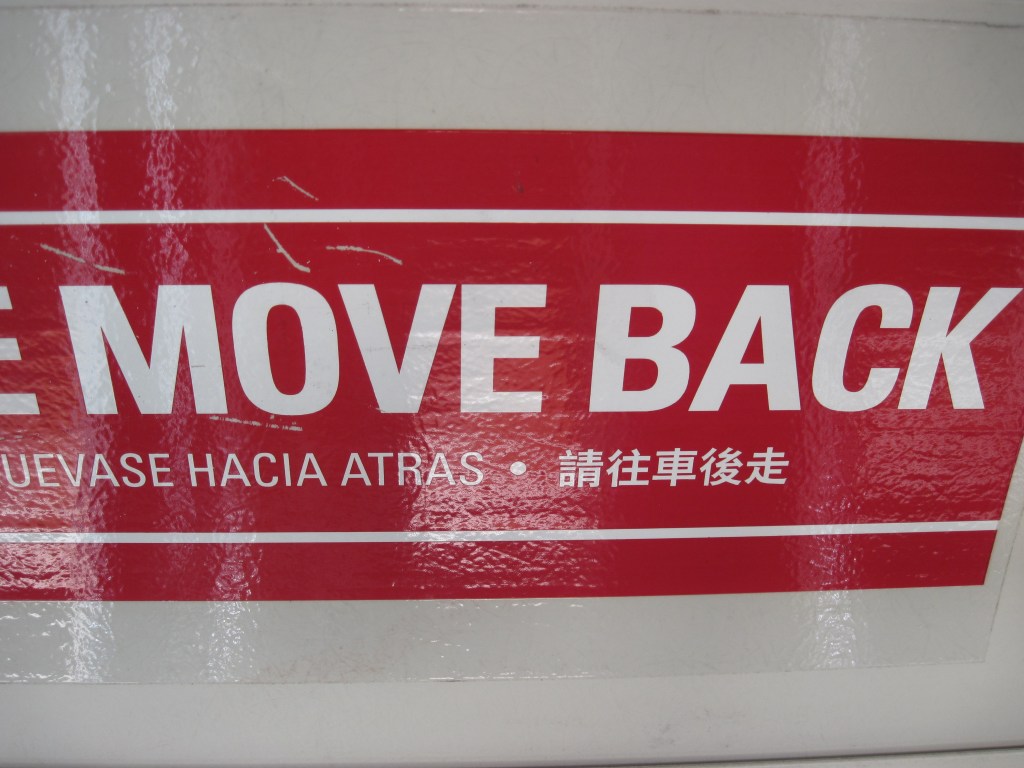
“Coming out!” Is a helpful verbal cue, but if you let us know where you plan to get off when you board, and we can see that you need extra time, we can delay opening the front door so you don’t get the bum rush by those on the sidewalk. This federal ADA law (Americans Disability Act) protects you when you depart. Help us help you! I enjoy protecting your right to step down first, but if I don’t know when you are getting off, those extra precious seconds are lost upon folks who bum rush up the stairs from the curb. Let me help you by requesting your stop, so I can put a request to a face and see where you are going to sit when you board.
Humility and redress with the appellation, “operator”, does work better for getting what you need when you have to get off. Two golden words, “thank you,” help preserve the Zen when coming to the front door for special requests.
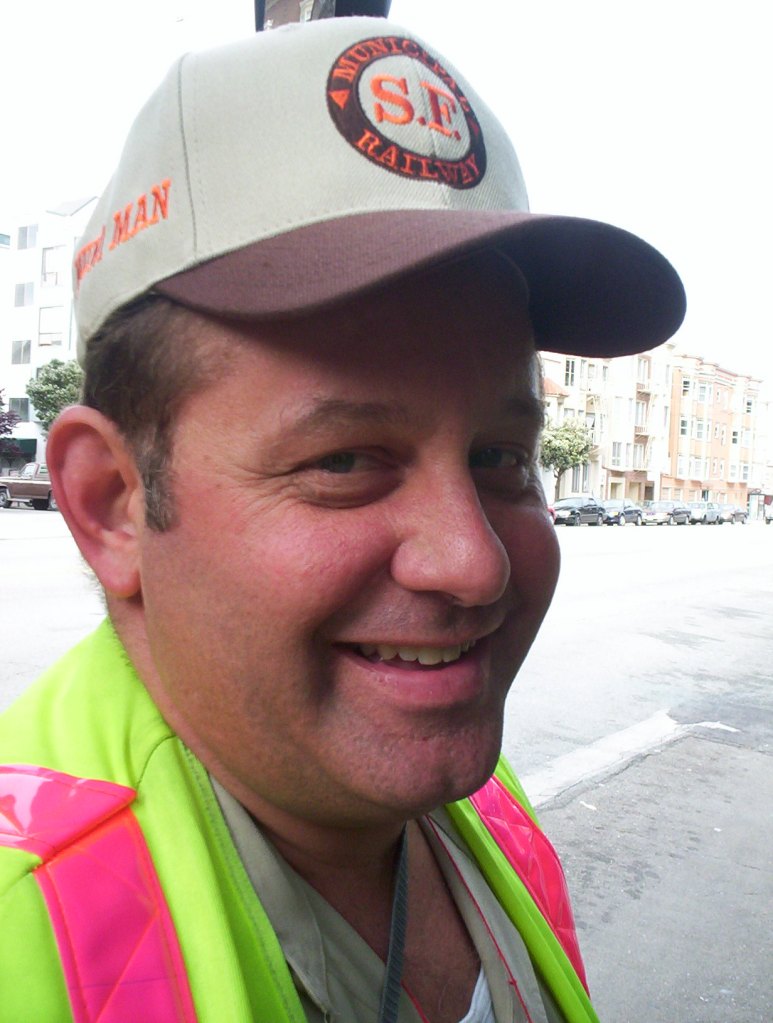
 The Dao of Doug: A Bus Driver's Perspective